GuideLivestock
Feeding cattle through a drought: decisions to make early
Drought feeding is expensive and the decisions that matter most come before the grass runs out. Here is how to prioritise animals, work out roughage and supplement needs, and avoid the common and costly mistakes.
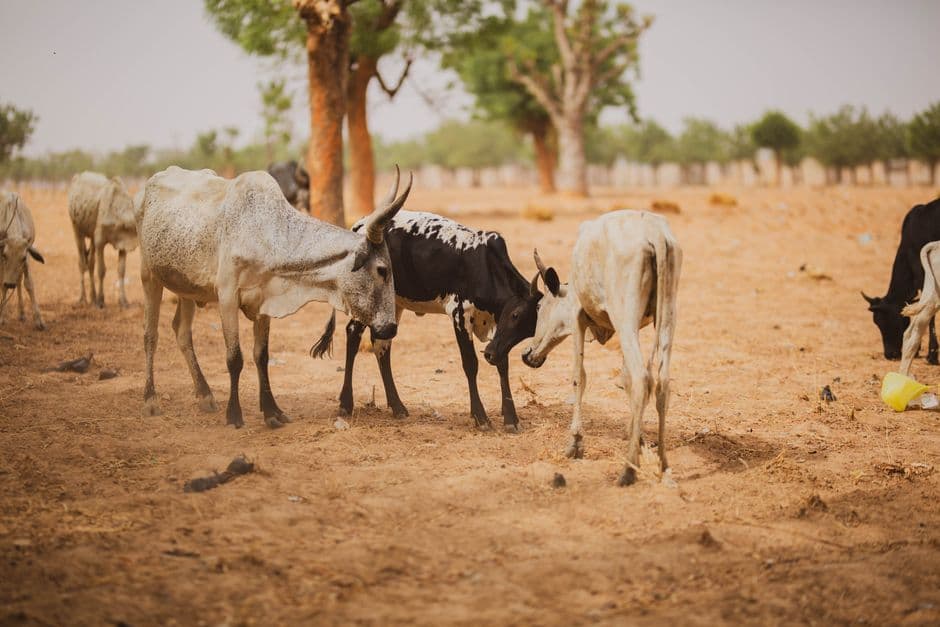
Drought is a normal part of farming in most of Africa, from the Karoo to the Horn of Africa. Every drought is different, but the farmers who come through them best tend to have one thing in common: they made hard decisions early, while their animals were still in good condition and prices were still reasonable. Feeding a full herd for months on bought-in feed is seldom affordable. This guide covers how to plan.
1. Take stock early
As soon as the rainy season is clearly below average, do a feed budget. Estimate how much grazing is standing, how many months until the next reliable rain, and how many animals you have. If the grazing will not last, you have three options, usually combined: reduce numbers, move animals to other grazing, or feed.
2. Reduce numbers, starting with the least productive
Selling some animals early is usually the most effective drought measure. It keeps the veld from being destroyed and leaves more feed for the animals you keep. A typical order of selling:
- Old cows, cows that did not calve, and animals with bad udders, feet or temperament.
- Oxen and young stock intended for sale anyway.
- Surplus bulls.
- Only then, if necessary, some productive breeding cows, keeping the best young cows and your best genetics.
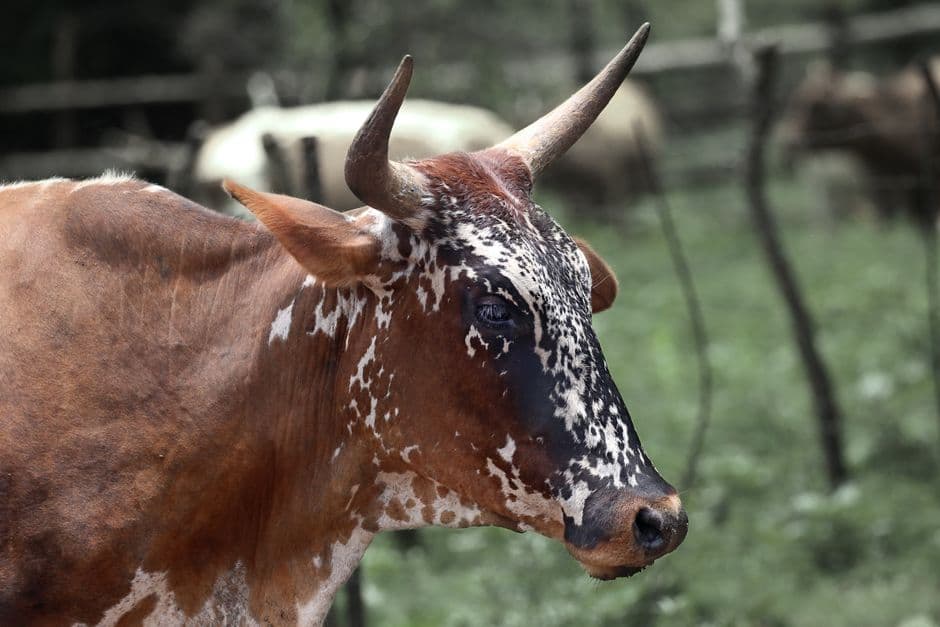
Adapted indigenous and composite breeds, such as Nguni, Boran and Bonsmara, and many local zebu types, generally cope better with poor-quality feed and heat than larger, higher-requirement breeds. Factor this in when deciding which animals to keep.
3. Wean early
A lactating cow needs far more nutrients than a dry cow. Weaning calves early, often at around three to four months old rather than the usual six to eight, lets the cow recover condition on much less feed. The weaned calves then need good-quality feed of their own, but feeding a calf directly is more efficient than feeding it through its mother's milk.
4. Work out roughage needs
Cattle need bulk to keep the rumen working. A cow eats roughly 2 to 2.5 percent of her body weight as dry matter per day, so a 450 kg cow needs about 9 to 11 kg of dry matter daily. Hay and dry crop residues are around 85 to 90 percent dry matter, so that is roughly 10 to 13 kg of hay per cow per day. Multiply by the number of animals and the days until rain and the scale of the task becomes clear.
| Item | Amount |
|---|---|
| Dry matter per cow per day | about 10 kg |
| As-fed hay per cow per day (about 88% dry matter) | about 11.4 kg |
| Herd per day | about 570 kg |
| 120 days | about 68 tons of hay |
Maize stover, sorghum stalks, groundnut haulms and other crop residues are valuable drought feeds. Store them under cover and collect them before they are trampled or blown away.
5. Supplement what the roughage lacks
Dry grass and stover are low in protein, and without enough protein the rumen microbes cannot digest them properly. Animals eat less and lose weight even with roughage in front of them. A protein or protein-and-energy supplement, commonly a lick containing urea and other protein sources, helps them use the roughage better. Molasses-based products add energy and improve palatability.
6. Water comes first
Cattle can survive a long time on little feed, but not without water. A cow may drink 40 to 60 litres a day or more in hot weather, and lactating cows need more. Check boreholes, pumps, troughs and dams before the dry season peaks, keep troughs clean, and have a backup plan if a borehole fails.
7. Watch condition and health
- Use body condition scoring (commonly on a 1 to 5 scale) and act before cows fall below about 2.5; it is far cheaper to hold condition than to regain it.
- Separate weak and thin animals so they can be fed without competition.
- Hungry animals eat plants they normally avoid. Learn the poisonous plants of your area and keep animals away from them.
- Keep up vaccinations and parasite control; stressed animals are more vulnerable.
8. Protect the veld for recovery
When the rain comes, the grass needs time to recover. Keep animals in a sacrifice camp or on fed roughage for a few weeks after the first good rains if you can, rather than letting them graze the first green shoots, which weakens the plants for the season ahead.
Key points
- Budget feed as soon as the season looks dry, and sell early and selectively.
- Wean early to reduce the cows' nutrient needs.
- Roughage keeps the rumen working; protein supplements help animals use it.
- Handle urea licks with great care and follow the label.
- Water, condition scoring and poisonous plants need daily attention.
- Get advice from your vet, animal nutritionist or extension officer for your situation.
This guide gives general information. Conditions differ from farm to farm, so confirm recommendations with your local extension officer, agronomist or veterinarian, and always follow the registered product label.