GuideFarm Business
Protecting stored grain: cutting post-harvest losses to sell at a better price
Grain lost to insects, mould and rats after harvest is money already spent on seed, fertiliser and labour. This guide covers drying, testing moisture, choosing storage and deciding when storing to sell later pays off.
Grain prices in much of Africa are usually lowest just after harvest, when everyone sells at once, and higher months later. Storing grain safely lets a farmer feed the household through the year and sell when prices improve. But poorly stored grain loses weight and quality to insects, moulds and rodents, and mouldy grain can carry aflatoxin, which makes it dangerous to eat and unsellable to formal buyers. Good storage is therefore both a food safety measure and a business decision.
Where losses come from
- Leaving the crop too long in the field, where it is exposed to rain, termites, birds and theft.
- Drying on bare ground, where grain picks up soil, moisture and mould.
- Storing grain that is too wet, so it heats and goes mouldy.
- Storage insects, such as maize weevils and the larger grain borer, which can destroy stored maize and dried cassava in a few months.
- Rats and mice, which eat and contaminate grain.
- Poor handling that breaks kernels, making them easier for insects and moulds to attack.
Step 1: Harvest on time
Harvest once the crop is mature and has dried down in the field, but do not leave it standing for weeks longer than needed. Maize left in the field after maturity is exposed to rain on the cobs, insect attack that begins before storage, and lodging that puts cobs on the ground.
Step 2: Dry grain properly
Dry grain on tarpaulins, clean concrete floors or raised platforms, never on bare soil. Turn it regularly and cover it at night and when rain threatens. For safe storage, maize should generally be dried to about 13 percent moisture or below, and lower still for long-term storage in hot climates. Other grains and legumes have similar targets; ask your extension officer for the right figure for your crop.
Checking moisture without a meter
A moisture meter is the most reliable test, and many co-operatives and extension offices have one. Without a meter, the salt test is a useful rough check:
- Dry some ordinary table salt in a pan until it flows freely.
- Fill a clean, dry glass jar about three-quarters full with shelled grain, and add two to three tablespoons of the dry salt.
- Close the jar, shake it for a few minutes and leave it for about 15 minutes.
- If salt sticks to the grain or the sides of the jar, the grain is too wet to store; dry it further. If the salt still flows freely, the grain is probably dry enough, though a meter reading is better before long storage or sale.
Step 3: Sort and clean
Before storage, remove mouldy, rotten, discoloured and insect-damaged cobs or grain. Mould on grain is a warning sign of possible aflatoxin, and sorting out bad grain is one of the most effective ways to reduce the risk. Do not feed obviously mouldy grain to people or animals. Clean out chaff, dust and broken kernels, which help insects breed.
Step 4: Choose the right storage
| Option | Strengths | Watch out for |
|---|---|---|
| Hermetic (airtight) bags | Low cost per bag; insects die from lack of oxygen when bags are properly sealed; no chemicals needed | Holes from rats or rough handling break the seal; grain must be dry before sealing |
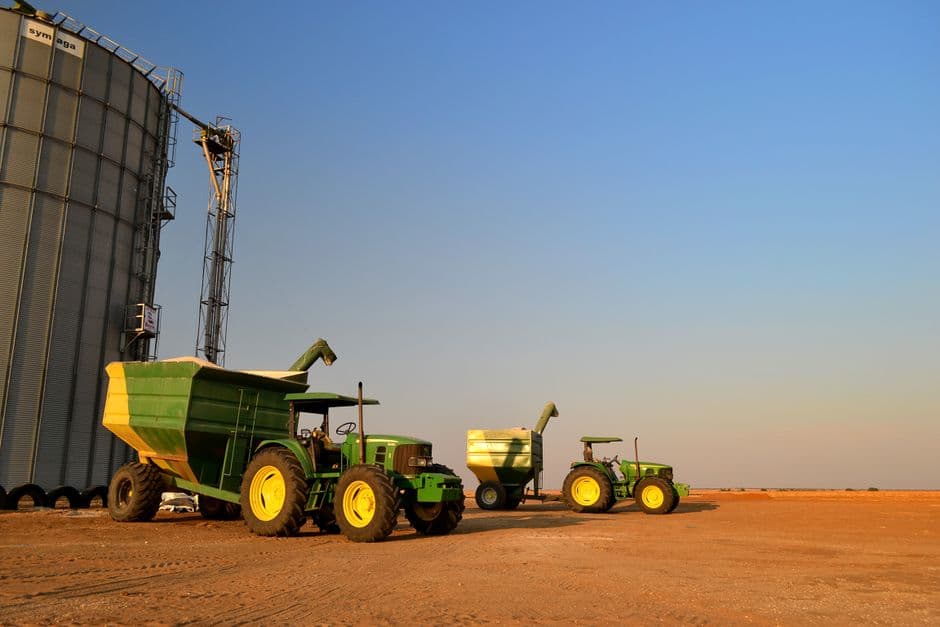
| Metal silos | Durable, airtight when sealed, keep out rodents; suit households and farmer groups | Higher upfront cost; must be kept out of direct sun and sealed properly |
| Improved traditional granaries | Built from local materials; good for cobs | Need raised floors, rat guards and regular cleaning |
| Woven bags in a store | Cheap and flexible | Offer no protection from insects on their own |
| Commercial silos and warehouses | Professional storage, grading, and often warehouse receipts | Storage and handling fees; minimum quantities |
Whatever you use, store grain off the floor on pallets or raised platforms, away from walls, in a clean, dry, well-roofed store. Clean out the store and remove old grain and residues before bringing in the new harvest, because insects carry over from last season.
Grain protectants
Insecticide grain protectants are used where airtight storage is not available. Use only products registered for stored grain and for the intended use (food, feed or seed), and follow the label exactly for rate, mixing and the waiting period before grain can be eaten or sold. Never use crop sprays or livestock dips on stored grain.
Step 5: Inspect regularly
Check stored grain every two to four weeks. Look for live insects, holes in kernels, fine dust, webbing, a musty smell, warm spots and signs of rats. Catching a problem early limits the damage.
Does storing to sell later pay?
Storing for a better price only makes sense if the expected price rise is bigger than the total cost of storing. Before deciding, add up:
- Storage costs: bags, silo depreciation, fees or rent.
- Expected losses in weight and quality, even with good storage.
- Interest on money you could have had at harvest, or on loans you are carrying longer.
- The risk that prices do not rise, or fall, in a good season.
Look back at past seasons in your area to see how much prices typically rose between harvest and the lean season, and compare that with your storage costs. Selling in stages, part at harvest and part later, spreads the risk.
Key points
- Harvest on time and dry grain off the ground to about 13 percent moisture or below.
- Sort out mouldy and damaged grain to reduce aflatoxin risk.
- Airtight storage controls insects without chemicals when grain is dry and seals are intact.
- Use only registered grain protectants, strictly per the label.
- Store to sell later only when the expected price gain beats the full cost of storing.
This guide gives general information. Conditions differ from farm to farm, so confirm recommendations with your local extension officer, agronomist or veterinarian, and always follow the registered product label.