GuideFarm Business
Financing farm equipment: what a loan really costs
The instalment is only one number on a finance quote. Here is how deposit, term, repayment timing, balloons and fees change what a tractor or implement really costs, and how to tell whether the machine will pay for its finance.
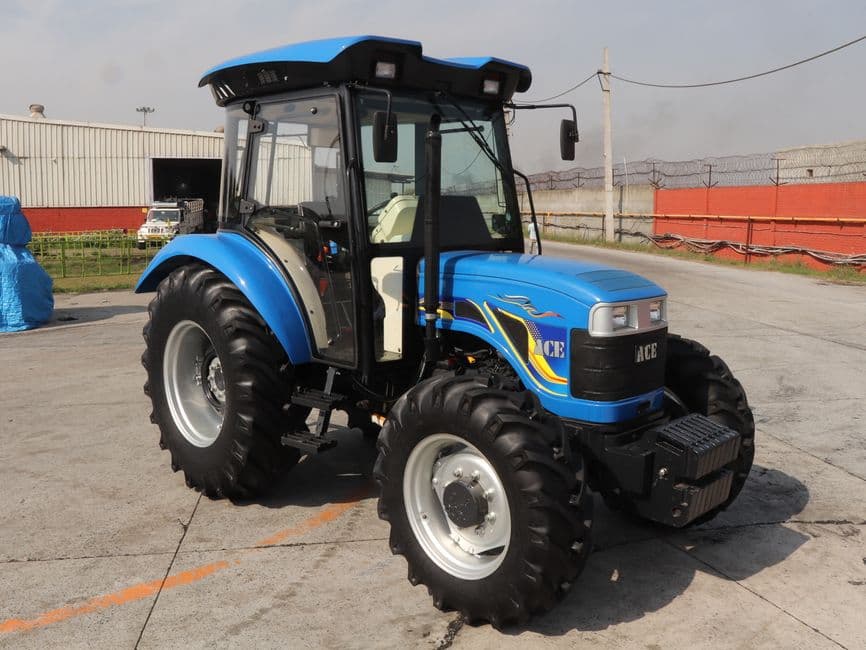
Many farms cannot buy a tractor, planter or bakkie for cash, so a great deal of machinery arrives on finance. That is not a problem in itself: a machine that saves time at planting or cuts contractor bills can pay for its own loan. The trouble starts when the decision is made on the monthly instalment alone. Two quotes with similar instalments can differ by tens of thousands of rand in what you finally pay, and the difference hides in the term, the balloon and the fees.
The parts of a finance quote
- Purchase price: check whether it includes VAT, delivery and set-up. If you are VAT-registered, find out whether the VAT is being financed or paid separately and claimed back.
- Deposit: money you pay up front. A larger deposit means less borrowed, less interest, and it can help you negotiate a better rate.
- Interest rate: usually quoted as prime plus or minus a margin, which means it moves whenever prime moves. A fixed rate usually starts higher but protects you from increases.
- Term: how long you repay. Longer terms lower the instalment but add interest.
- Repayment frequency: monthly, quarterly, twice a year or once a year.
- Balloon or residual: a lump sum left owing at the end.
- Fees: an initiation fee at the start and a monthly service fee for the life of the loan.
- Insurance: lenders usually require the machine to be insured, and may add credit life cover. These are real costs even if they appear on a separate page.
Why the instalment misleads
Every instalment is part interest and part capital. Early in the loan, while the balance is high, a large share of each payment is interest; only later does most of it go to paying the machine off. Stretch the term from four years to six and the instalment drops, but you pay interest on a larger balance for two more years. The monthly figure looks kinder while the total gets worse.
The honest comparison is the cost of finance: total interest plus all fees. That is what borrowing costs you over paying cash. Work it out for every quote you get, on the same price, deposit and term, and compare those numbers rather than the instalments.
Balloons: lower payments, bigger bill
A balloon payment keeps part of the price owing until the final instalment. Because that portion is never paid down, you pay interest on it for the whole term, so total interest goes up even though each instalment goes down. At the end you must pay the balloon in cash, refinance it, or trade the machine in and hope it is worth more than what you owe.
Match repayments to your income
A crop farmer who is paid once or twice a year after harvest may battle to meet a monthly instalment in the months before the crop is sold. Many agricultural lenders offer seasonal structures: annual or half-yearly payments timed to when the money comes in. The interest works slightly differently, because capital is repaid less often and stays outstanding longer between payments, so at the same rate the total interest is higher, but the cash flow is far easier to manage. Livestock and dairy farms with a steadier monthly income are often better suited to monthly payments.
Whatever the frequency, put the repayments into your cash flow budget month by month next to your expected income. If the budget only works in a good season, the loan is too big or the term too short.
Will the machine pay for itself?
Before comparing lenders, test the purchase itself. Add up what the machine will cost to own each year: the finance cost, insurance, and an allowance for depreciation. Then add running costs such as diesel, repairs and the operator. Compare that with what you spend now, whether on contractors, hired equipment or an older machine that keeps breaking down, and with any extra income it makes possible, such as planting on time or doing contract work for neighbours.
| Question | Why it matters |
|---|---|
| How many hours or hectares a year will it work? | A machine that stands in the shed most of the year spreads its cost over little work. |
| What does a contractor charge for the same job? | If hiring is cheaper per hectare, owning is a lifestyle choice, not a saving. |
| Could a good used machine do the job? | A lower price means a smaller loan and less interest, though repairs may cost more. |
| Will it still be useful when the loan ends? | Finance that outlasts the machine's working life leaves you paying for scrap. |
| Can the farm carry the payments in a poor season? | Repayments are due whether it rains or not. |
Getting and comparing quotes
- Decide on the price, deposit and term before you ask, so every quote is on the same basis.
- Ask each lender for the full cost of credit in writing: rate, fees, insurance and the total amount repayable.
- Ask whether the rate is fixed or linked to prime, and whether there is a penalty for settling early.
- Check whether the initiation fee is paid up front or added to the loan.
- Run each quote through a calculator and compare the cost of finance, not only the instalment.
- Have your records ready: recent financial statements, a cash flow budget and proof of income make approval quicker and can earn a better rate.
Key points
- Judge a quote on the cost of finance (interest plus fees), not on the instalment.
- Longer terms and balloons lower the instalment but raise the total you pay.
- Time repayments to when the farm is paid; seasonal structures suit crop income.
- Prime-linked rates move, so budget for the instalment rising.
- Make sure the machine earns or saves more each year than it costs to own and finance.
This guide gives general information. Conditions differ from farm to farm, so confirm recommendations with your local extension officer, agronomist or veterinarian, and always follow the registered product label.