GuideFarm Business
The farm financial statements a lender asks for
A balance sheet, an income statement and a cash flow budget tell a lender what the farm owns, whether it makes money and whether it can repay. Here is what each one shows, how to put it together and what a credit manager reads first.
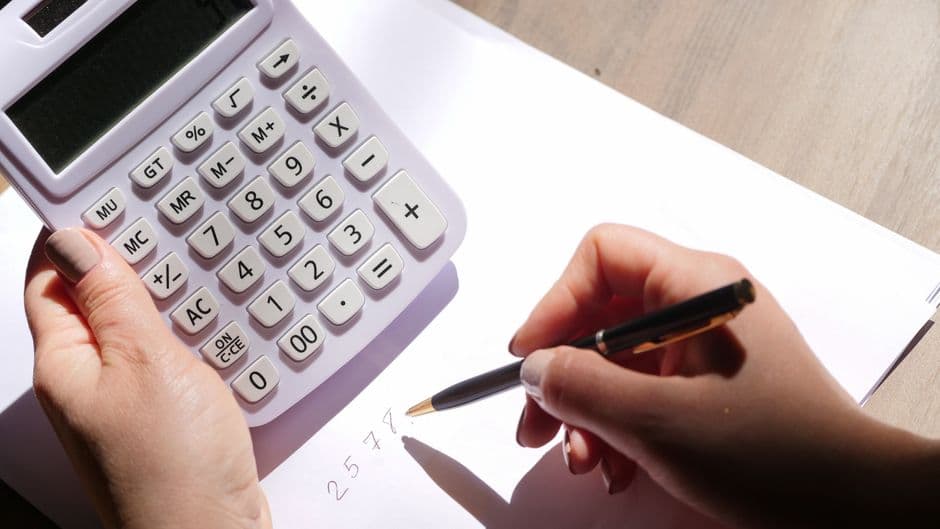
Sooner or later most farms need credit: a production loan for the season, finance for a tractor or a bond on more land. Whoever lends the money will want to see three documents. Together they answer three plain questions: what does the farm own and owe, does it make a profit, and will there be cash in the bank on the days repayments fall due?
The daily records described in our guide to keeping farm records are the raw material. The statements are what you build from them once or twice a year.
1. The balance sheet: what the farm owns and owes
A balance sheet, also called a net worth statement, is a snapshot on one date, usually the end of your financial year. Assets go on one side, liabilities on the other, and the difference is your net worth or owner's equity.
- Current assets can become cash within a year: money in the bank, debtors, grain and feed in store, and animals that will be sold.
- Non-current assets are kept for longer: land and buildings, machinery and vehicles, breeding stock and long-term investments.
- Current liabilities fall due within a year: the overdraft, accounts at the co-op or input supplier, the production loan, and the capital part of this year's instalments on long-term loans.
- Long-term liabilities are the rest of the bond and of equipment finance, after taking off what is due this year.
Value assets at what they would realistically fetch today, less the cost of selling. A lender will do its own valuation, and a balance sheet that inflates land or machinery damages trust in every other number you give them.
Ratios the lender works out
| Ratio | Formula | What it tells the lender |
|---|---|---|
| Current ratio | Current assets ÷ current liabilities | Can this year's debts be paid from this year's assets? Below 1 is a warning sign. |
| Debt ratio | Total liabilities ÷ total assets | How much of the farm is financed with borrowed money. Lower is safer. |
| Solvency ratio | Total assets ÷ total liabilities | How well the debt is covered if everything had to be sold. |
2. The income statement: did the farm make money?
The income statement, or profit and loss statement, covers a full year. It starts with gross income: crop and livestock sales, other farm income such as contract work or grazing fees, plus the change in the value of stock on hand. If you held back half the maize crop, or grew out more weaners than usual, the farm earned that value even though it has not been sold yet. Leave it out and a good year can look like a bad one.
- Subtract direct costs (the variable costs in a gross margin budget), the ones that rise and fall with what you plant or run: seed, fertiliser, sprays, feed, vet costs, fuel, contractors and casual labour. What is left is the gross margin.
- Subtract overheads, which you carry whatever you produce: permanent wages, insurance, electricity, rates, accounting fees and rent.
- Subtract interest paid and depreciation, the yearly wear on machinery and buildings. The result is net farm income. Our cost of production guide counts interest and depreciation as fixed costs; either way, take each off only once.
Net farm income is what pays the family for its labour, management and money invested. Divide net farm income plus interest by total assets to get the return on assets, then compare it with the interest rate you pay. If the assets earn less than the loan costs, borrowing more to expand makes the problem bigger, not smaller.
3. The cash flow budget: will the money be there in time?
A farm can be profitable and still run out of cash, because costs come months before the harvest cheque. The cash flow budget looks forward twelve months and records, month by month, the cash you expect in and out of the bank. Unlike the income statement it includes everything that moves money: loan repayments, capital purchases, money borrowed and household drawings.
Start with the bank balance on the first day, add each month's net cash flow and carry the closing balance forward. If the balance dips below zero, its lowest point is your peak borrowing need. That figure, not a guess, is what you should ask for when arranging an overdraft or production loan, and it shows the lender exactly when the money will come back.
What a lender reads first
- Whether the numbers hang together: the loan balances on the balance sheet should match your bank and loan statements, and interest on the income statement should fit the debt you carry.
- Several years, not one. Bring at least two or three past income statements if you have them, so a drought year can be seen for what it is.
- Realistic yields and prices in the cash flow budget, ideally close to your own long-term averages rather than your best season.
- What happens if things go wrong. Work out what the cash flow looks like with a lower yield or a lower price, and say how you would manage it.
- A clear purpose for the loan and a repayment date that matches when the crop or animals are sold.
Getting them done
Pick a fixed date each year, count and value what is in the stores and the camps on that day, and draw up the balance sheet. Use the year's cashbook and receipts to build the income statement for the same year. Then plan the next season as a cash flow budget and check it against the bank statements each month.
Our free farm financial statements tool lays out all three, works out the ratios and peak borrowing need, and prints or downloads them.
Key points
- The balance sheet shows net worth on one date; the income statement shows profit over a year; the cash flow budget shows when money moves.
- Value assets honestly at today's market value.
- Include the change in stock value, and keep loan capital and household spending off the income statement.
- Use the lowest point in the cash flow budget to size your overdraft or production loan.
- Bring several years of figures and a plan for a bad season.
This guide gives general information. Conditions differ from farm to farm, so confirm recommendations with your local extension officer, agronomist or veterinarian, and always follow the registered product label.