GuideFarm Business
Keeping a diesel logbook for every vehicle and machine
Diesel is one of the biggest cash costs on a mechanised farm and one of the easiest to lose track of. A simple logbook for the tank and every machine shows where it goes, catches theft and waste early, and keeps the raw records a fuel refund claim starts from.
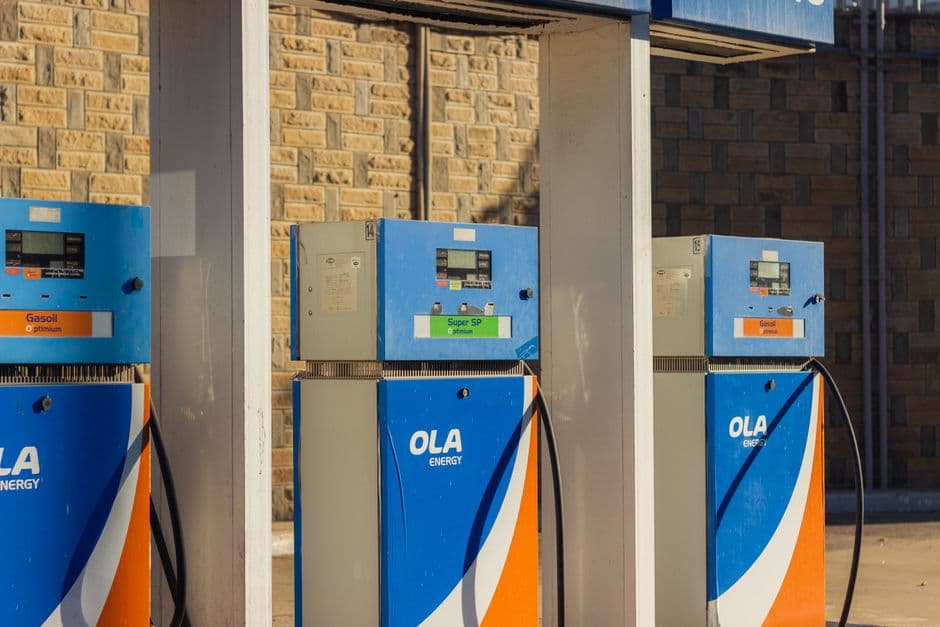
On most farms that run tractors, bakkies and pumps, diesel is paid for in large, lumpy amounts: a delivery into the bulk tank every few weeks. What happens to it after that is often a mystery. Some goes into the planter tractor, some into the bakkie, some is decanted into drums for the borehole pump, and some simply disappears. Without a written record you cannot tell a thirsty machine from a leaking tank, or honest use from theft.
A diesel logbook closes that gap. It is not complicated: one page for the tank and one line for every fill. Kept faithfully, it tells you what each machine and each job really costs in fuel, and it gives you the raw records to take to your accountant if you claim a diesel refund.
Two records, one system
Think of diesel as stock in a store room. Every litre that comes in and every litre that goes out is written down, and from time to time you count what is left to check that the book and the shelf agree.
The bulk tank record
- Opening stock: dip the tank on the first day of the period and write it down.
- Every delivery: date, supplier, invoice number and litres received. Add the price per litre from the invoice if you want to cost your fuel.
- A regular dip reading, weekly if you can, so you can compare what is in the tank with what the book says should be there.
The issue record
- Date and the vehicle or machine filled, identified by name and registration or serial number.
- Litres issued, read from the pump meter, not guessed.
- The odometer reading for bakkies and trucks, or the hour-meter reading for tractors, harvesters, pumps and generators.
- What the machine was doing: ploughing, planting, spraying, harvesting, pumping water, transport on the farm or on a public road.
- Where it worked, and who operated it.
Making it work in the yard
The best logbook is the one that is filled in at the pump, not reconstructed on Friday afternoon. A few habits make that possible:
- Keep a printed logbook page, in a plastic sleeve or on a clipboard, right next to the tank.
- Make one person responsible for the key to the tank or pump, and have them write up or sign every fill.
- Lock the tank and the pump nozzle when no one is on duty, and fit a flow meter if the pump does not have one.
- Keep decanting into drums or jerry cans to a minimum. When you must, record the litres and where the drum went, and log it again when it goes into the machine.
- Transfer the paper record to a spreadsheet or the diesel logbook tool every week, while memories are fresh and the dip is recent.
Reading your logbook
Once a few weeks of fills are written down, the numbers start to talk. Look at them in three ways.
Consumption per machine
Litres per hour for machines with an hour meter, and litres per 100 km for road vehicles. Compare each machine with itself over time and with similar machines doing similar work. A tractor that suddenly uses noticeably more for the same job may need an air filter, injectors or tyre pressures seen to, or it may be doing heavier work than before. A figure that is far off for no reason is worth a quiet look at who filled it and when.
Use per activity
Adding up litres by activity shows what each operation costs in fuel. This is useful when you compare tillage systems, decide whether to contract out a job, or work out the fuel line in an enterprise budget. It also separates on-farm work from road transport, which matters for costing and for refund claims.
Tank reconciliation
| Line | Litres |
|---|---|
| Opening dip | 500 |
| Plus deliveries | 2 000 |
| Less issued to machines | 1 300 |
| Expected in tank | 1 200 |
| Actual dip | 1 140 |
| Variance | 60 short (5%) |
Some difference is normal: a dipstick is not precise, and diesel expands in the heat and contracts in the cold. What matters is the trend. A shortfall that appears every month, or grows, means diesel is leaving the tank without being written down. Check for unrecorded fills first, then for leaks at fittings and hoses, and only then for theft.
Diesel refunds and your records
In several countries, farmers can claim back part of the fuel tax on diesel used in primary production. South Africa's diesel refund for primary producers is one example. Schemes like these typically expect detailed records that show how every litre was bought, stored and used, and they separate eligible farm work from other use such as private travel. The rules, forms and record requirements are set by the tax authority and change from time to time, so check the current requirements with your accountant or tax practitioner before you rely on any record system for a claim.
A general logbook like the one described here captures much of the raw information, but it is not a substitute for whatever records the scheme itself prescribes. Keep the supplier invoices with it, file the pages in date order, and do not throw them away when the season ends; tax authorities may ask to see records years later.
Key points
- Record every delivery into the tank and every fill into a machine, on the day.
- Fill to full and read the odometer or hour meter every time.
- Dip the tank regularly and compare it with the book; watch the trend, not one reading.
- Use consumption per machine and litres per activity to spot faults, waste and theft, and to cost your operations.
- If you claim a diesel refund, keep invoices with the logbook and confirm the current rules with your accountant.
This guide gives general information. Conditions differ from farm to farm, so confirm recommendations with your local extension officer, agronomist or veterinarian, and always follow the registered product label.